
CNG (Compressed Natural Gas) plants operate in high-pressure, high-risk environments where safety is non-negotiable. From storage cascades to high-pressure pipelines, every component must function flawlessly to prevent gas leaks, explosions, and operational failures.
This is why understanding the Most Important NDT Testing for CNG Plant is critical for plant owners, operators, and maintenance teams.
Non-Destructive Testing (NDT) plays a vital role in identifying hidden defects without damaging equipment. It ensures compliance, protects assets, and guarantees uninterrupted operations.
In this detailed guide, we will explore the most essential NDT tests for CNG plants, why they matter, and how they protect your business.
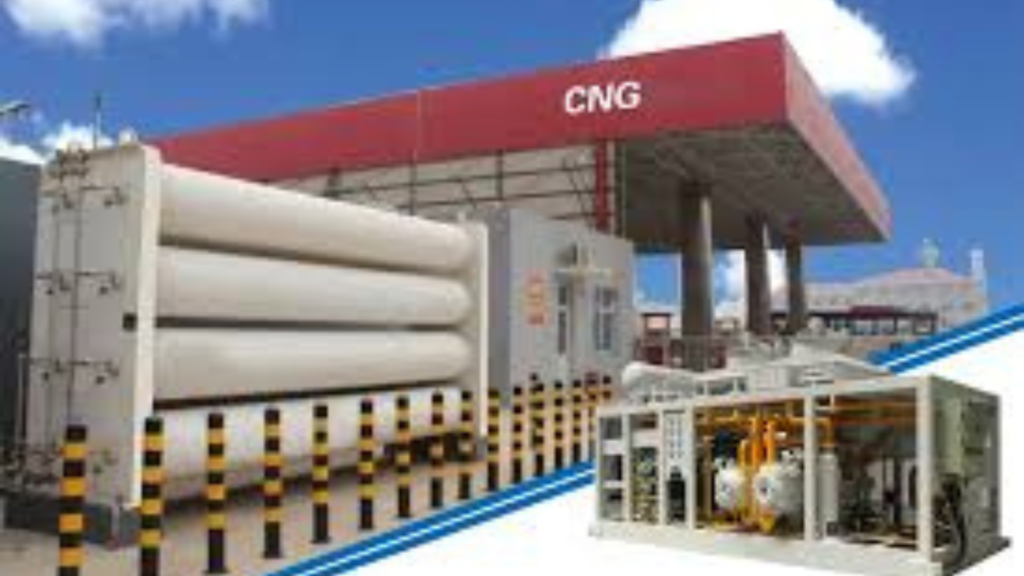
Why NDT Testing is Crucial in CNG Plants
CNG plants operate at pressures ranging from 200 to 250 bar or even higher. Any structural weakness can lead to catastrophic consequences.
Risks Without Proper NDT Inspection:
- Gas leakage
- Fire hazards
- Explosion risks
- Environmental damage
- Heavy financial losses
- Legal penalties
- Plant shutdown
Regular NDT inspections ensure:
- ✔ Operational safety
- ✔ Regulatory compliance
- ✔ Extended equipment life
- ✔ Reduced downtime
- ✔ Lower maintenance costs
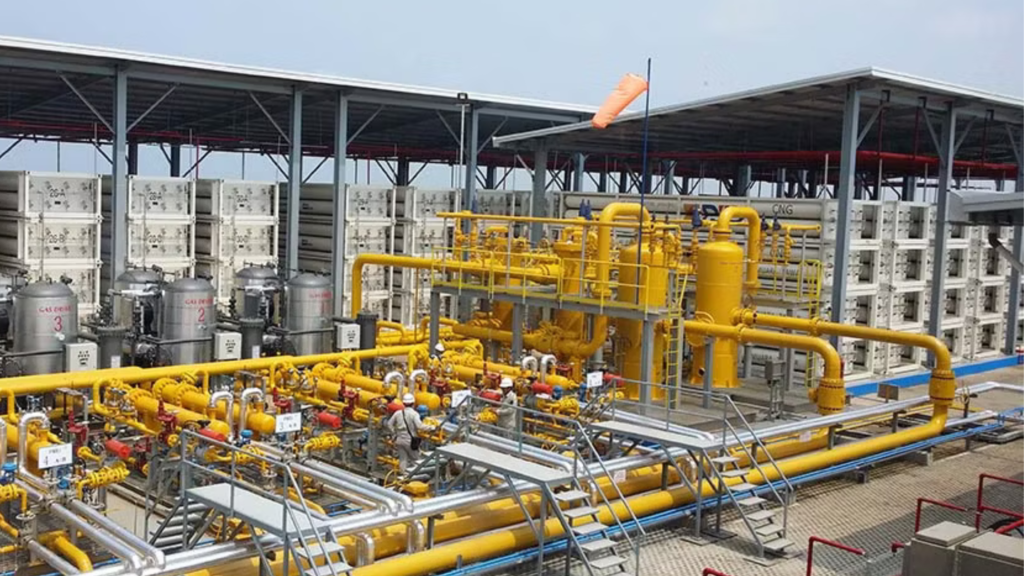
Most Important NDT Testing for CNG Plant
Below are the most critical NDT methods used in CNG facilities.
1. Ultrasonic Testing (UT) – The Backbone of CNG Inspection
Ultrasonic Testing is one of the most important inspection methods for CNG plants.
It uses high-frequency sound waves to detect internal defects and measure material thickness.
Why UT is Important in CNG Plants:
- Detects internal cracks
- Measures pipeline thickness
- Identifies corrosion and wall thinning
- Suitable for in-service inspection
Common Applications:
- High-pressure pipelines
- Storage cascades
- Pressure vessels
- Compressors
UT is essential because corrosion and wall thinning are common issues in gas systems.
2. Radiographic Testing (RT) – Critical for Weld Integrity
Radiographic Testing uses X-rays or gamma rays to examine internal weld defects.
Why RT is Important:
- Ensures weld quality
- Detects porosity and lack of fusion
- Verifies fabrication standards
- Critical for high-pressure joints
Used During:
- Plant construction
- Pipeline fabrication
- Pressure vessel manufacturing
A weak weld can lead to gas leakage — making RT one of the most important NDT methods.
3. Magnetic Particle Testing (MPT) – Surface Crack Detection
Magnetic Particle Testing detects surface and near-surface cracks in ferromagnetic materials.
Important For:
- Weld joints
- Structural supports
- Compressor components
MPT helps identify fatigue cracks caused by vibration and pressure stress.
4. Dye Penetrant Testing (DPT) – Surface Defect Inspection
DPT is used for detecting surface cracks in non-porous materials.
Applied To:
- Valve bodies
- Flanges
- Fittings
- Fabricated components
It is simple yet effective for identifying surface-level issues before they expand.
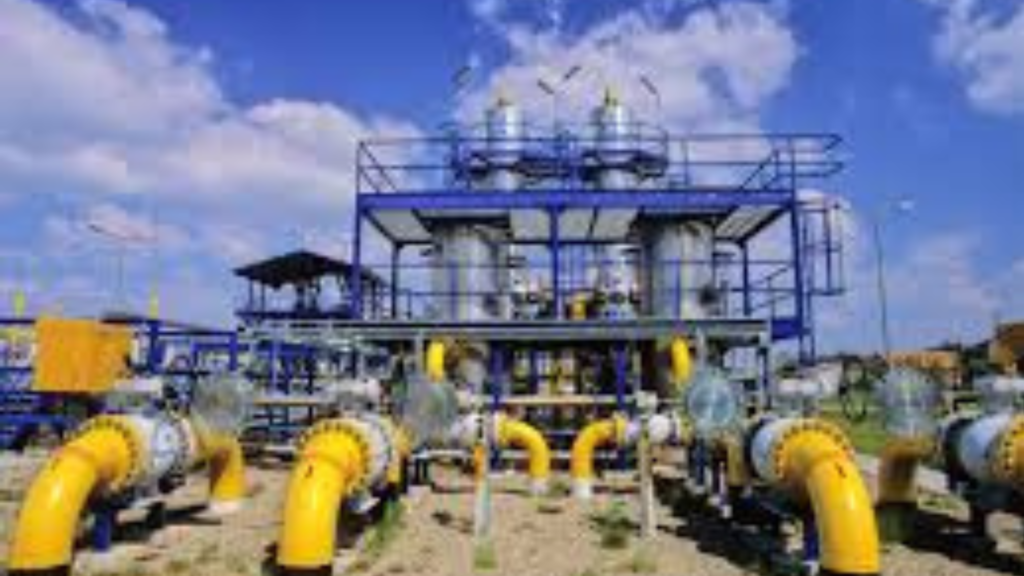
5. Leak Testing – Essential for Gas Safety
Leak testing is one of the most critical inspections in CNG plants.
Even a minor leak can lead to:
- Gas accumulation
- Fire incidents
- Explosion hazards
Leak testing ensures:
- Proper sealing of joints
- Valve tightness
- Safe gas containment
6. Positive Material Identification (PMI) – Preventing Material Failure
PMI ensures correct alloy materials are used in high-pressure systems.
Wrong material grades can cause:
- Stress corrosion cracking
- Premature failure
- Regulatory violations
PMI verification is especially important during installation and maintenance.
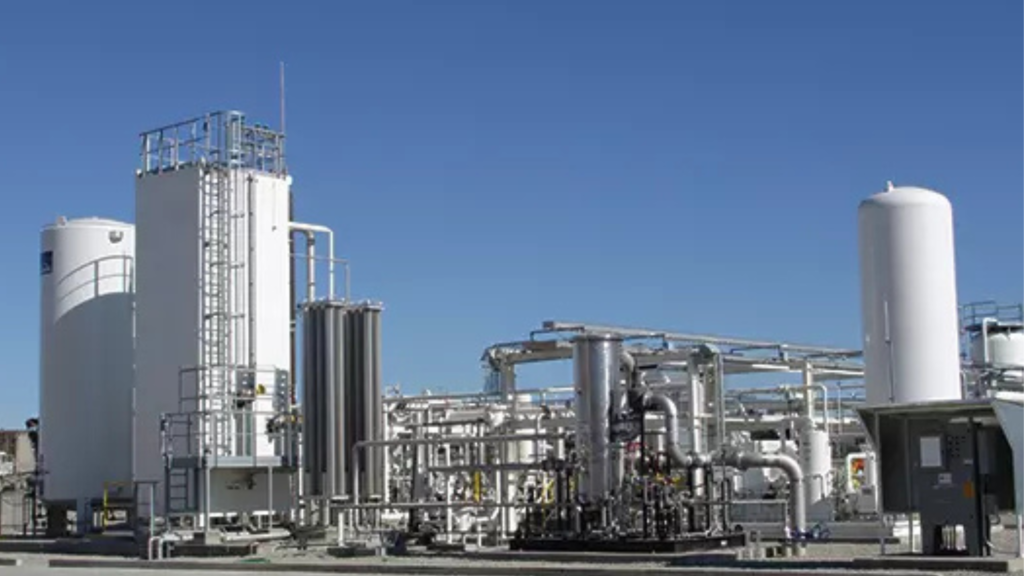
Key Areas in CNG Plant That Require NDT
The most important NDT testing for CNG plant focuses on:
🔹 High-Pressure Pipelines
Continuous pressure may cause fatigue cracks.
🔹 CNG Storage Cascades
Corrosion monitoring is essential.
🔹 Compressors
Mechanical stress creates internal flaws.
🔹 Pressure Vessels
Structural integrity must be verified regularly.
🔹 Welding Joints
Weak welds are high-risk zones.
Regulatory Compliance for CNG Plants
CNG plants must follow strict safety regulations.
Important standards include:
- PESO guidelines
- OISD standards
- ASME codes
- API standards
Regular NDT inspection helps maintain:
- Compliance certification
- Insurance validity
- Government approvals
Benefits of Conducting the Most Important NDT Testing for CNG Plant
1. Enhances Plant Safety
Reduces risk of gas explosion and fire.
2. Increases Operational Reliability
Prevents sudden breakdowns.
3. Reduces Maintenance Costs
Early detection saves major repair expenses.
4. Improves Equipment Life
Monitoring corrosion extends asset lifespan.
5. Protects Company Reputation
Maintains safety record and public trust.
Advanced NDT Technologies in Modern CNG Plants
Modern CNG facilities are adopting advanced inspection technologies such as:
- Phased Array Ultrasonic Testing (PAUT)
- Time of Flight Diffraction (TOFD)
- Digital Radiography
- Automated Thickness Monitoring
- Risk-Based Inspection (RBI)
These technologies provide:
- Faster inspection
- Digital reports
- Higher accuracy
- Improved safety
How Often Should NDT Be Performed in CNG Plants?
Inspection frequency depends on:
- Operating pressure
- Age of equipment
- Environmental conditions
- Regulatory requirements
Typically:
- Thickness monitoring: Annual or bi-annual
- Weld inspection: During fabrication & shutdown
- Leak testing: Routine checks
- Comprehensive inspection: During plant turnaround
A professional NDT plan ensures systematic monitoring.
Why Hiring Certified NDT Professionals Matters
CNG plant inspection requires:
- Certified Level II & Level III technicians
- Explosion-proof equipment
- Experience in gas industry
- Proper documentation & reporting
Unqualified inspection increases risk and liability.
Conclusion
Understanding the Most Important NDT Testing for CNG Plant is essential for safe and efficient gas operations.
Critical methods like:
- Ultrasonic Testing
- Radiographic Testing
- Magnetic Particle Testing
- Dye Penetrant Testing
- Leak Testing
- PMI
play a vital role in ensuring structural integrity and compliance.
In high-pressure gas environments, prevention is always better than repair.
Investing in professional NDT services protects:
- Your plant
- Your employees
- Your investment
- Your reputation
Need Expert NDT Testing for Your CNG Plant?
Ensure complete safety, compliance, and operational excellence with professional inspection services.
Contact our expert NDT team today to schedule a comprehensive inspection for your CNG plant.