
The petrochemical industry operates in one of the most demanding and high-risk environments in the world. From refineries to offshore platforms, pipelines to storage tanks, every component must perform flawlessly under extreme pressure, temperature, and corrosive conditions.
This is where NDT Testing for Petrochemical Industry becomes critical.
Non-Destructive Testing (NDT) ensures structural integrity, prevents catastrophic failures, and protects both human life and assets — without damaging the equipment being inspected.
In this blog, we’ll explore why NDT is essential in petrochemical plants, the methods used, benefits, and how choosing the right NDT partner ensures long-term operational success.
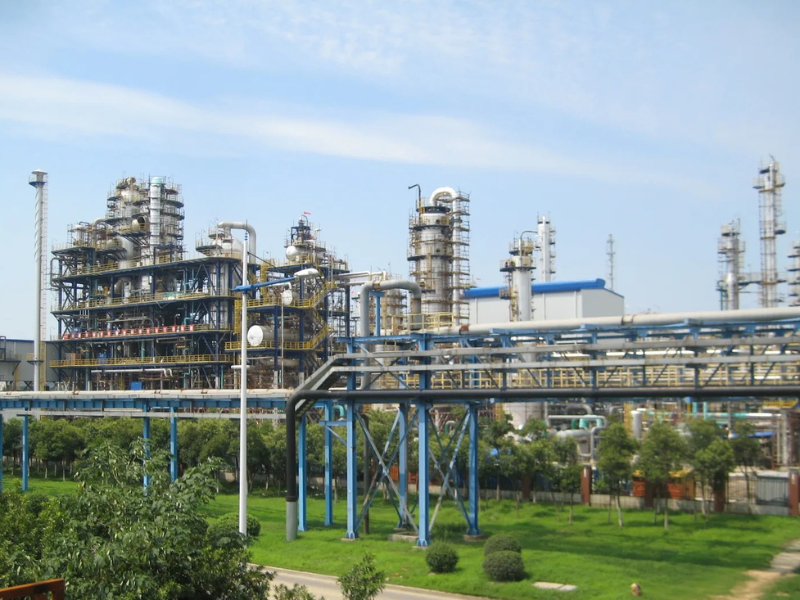
What is NDT Testing?
Non-Destructive Testing (NDT) refers to inspection techniques used to evaluate materials, components, and structures without causing damage.
In the petrochemical sector, NDT is used to inspect:
- Pressure vessels
- Storage tanks
- Pipelines
- Boilers
- Heat exchangers
- Structural steel
- Weld joints
- Offshore platforms
NDT helps detect defects such as:
- Cracks
- Corrosion
- Porosity
- Lack of fusion
- Wall thinning
- Leakages
- Internal flaws
Early detection prevents expensive shutdowns and dangerous accidents.
Why NDT Testing is Critical in the Petrochemical Industry
Petrochemical facilities handle:
- Flammable gases
- Toxic chemicals
- High-pressure fluids
- Corrosive substances
Even a minor defect can lead to:
- Fire or explosion
- Environmental damage
- Production losses
- Regulatory penalties
- Severe injury or fatalities
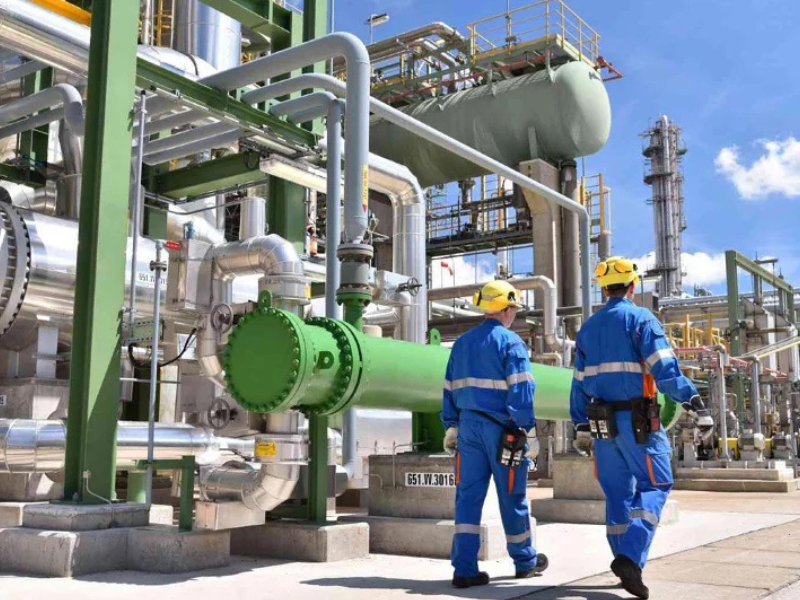
Key Reasons NDT is Essential:
- ✔ Ensures equipment integrity
- ✔ Prevents unplanned shutdowns
- ✔ Enhances plant safety
- ✔ Extends asset life
- ✔ Meets statutory compliance requirements
- ✔ Reduces maintenance costs
Regular NDT inspections are not optional — they are mandatory under global safety standards such as API, ASME, and ISO.
Common NDT Methods Used in Petrochemical Industry
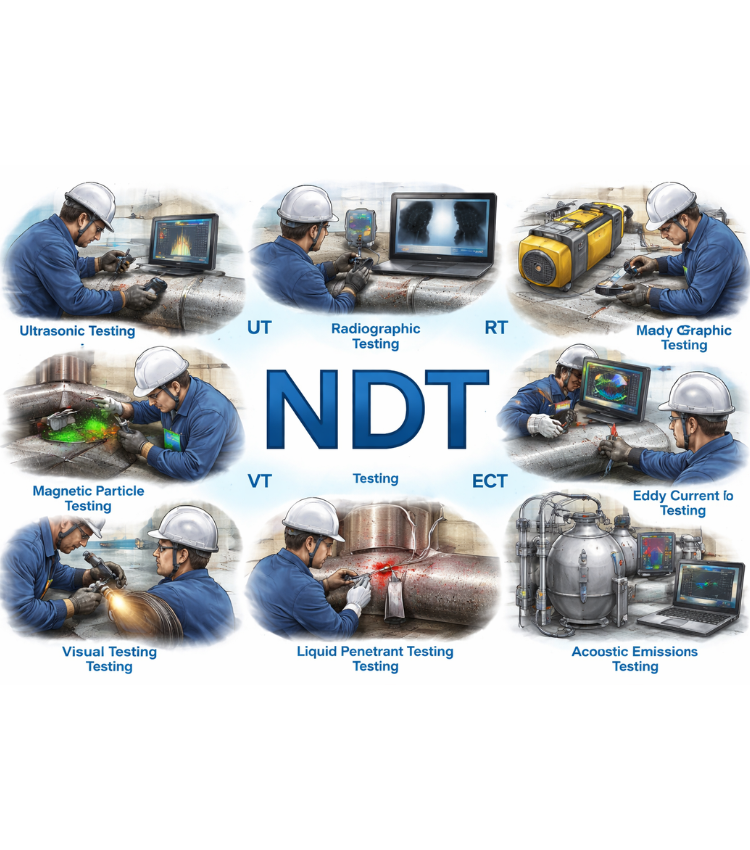
Different components require different inspection techniques. Below are the most widely used NDT methods:
1. Ultrasonic Testing (UT)
Best for: Detecting internal flaws and thickness measurement.
Ultrasonic waves are sent into the material to detect internal cracks, inclusions, and corrosion.
Advantages:
- High accuracy
- Deep penetration
- Immediate results
- Ideal for pipeline inspection
2. Radiographic Testing (RT)
Radiographic Testing uses X-rays or gamma rays to detect internal defects in welds and pressure vessels. It is widely used in petrochemical fabrication and maintenance projects.
Applications:
- Weld inspection
- Pressure vessel examination
- Structural integrity checks
3. Magnetic Particle Testing (MPT)
Best for: Surface and near-surface defects in ferromagnetic materials.
It is effective in detecting cracks in welds, pipelines, and structural components.
4. Dye Penetrant Testing (DPT)
Best for: Surface cracks in non-porous materials.
It is widely used in storage tanks and fabricated components.
5. Eddy Current Testing (ECT)
Used for detecting surface defects and corrosion in heat exchanger tubes and conductive materials.
6. Positive Material Identification (PMI)
Ensures correct alloy composition in pipelines and process equipment.
This prevents material mix-ups that can cause corrosion failures.
7. Leak Testing
Ensures tightness of pipelines, valves, and pressure systems.
Areas Where NDT is Applied in Petrochemical Plants
NDT inspections are conducted during:
🔹 Construction Phase
- Welding inspections
- Fabrication checks
- Hydro testing validation
🔹 Operational Phase
- In-service inspection
- Corrosion monitoring
- Risk-based inspection (RBI)
🔹 Shutdown Maintenance
- Turnaround inspection
- Fitness-for-service analysis
- Remaining life assessment
Benefits of NDT Testing for Petrochemical Industry
Here’s how professional NDT services add value to petrochemical operations:
1. Prevents Catastrophic Failures
Early detection of defects avoids explosions and hazardous leaks.
2. Reduces Downtime
Scheduled inspections prevent emergency shutdowns.
3. Increases Equipment Life
Timely maintenance extends operational lifespan.
4. Improves Regulatory Compliance
Meets standards such as:
- API 510
- API 570
- ASME Section V
- ISO standards
5. Protects Brand Reputation
Safety compliance enhances trust and reliability.
6. Saves Long-Term Costs
Preventive inspection is far cheaper than accident recovery.
Challenges in Petrochemical NDT Inspection
The petrochemical environment is complex. NDT inspections face challenges such as:
- High temperature operations
- Confined spaces
- Corrosive atmospheres
- Offshore locations
- Hazardous zones
Only experienced and certified NDT professionals can perform inspections safely and effectively.
Advanced NDT Technologies in Petrochemical Industry
Modern petrochemical facilities are adopting advanced techniques like:
- Phased Array Ultrasonic Testing (PAUT)
- Time of Flight Diffraction (TOFD)
- Digital Radiography
- Automated Ultrasonic Testing
- Drone-based inspections
- Rope access NDT services
These technologies provide:
- Faster results
- Greater accuracy
- Digital documentation
- Improved safety
How to Choose the Right NDT Company for Petrochemical Industry
Selecting a reliable NDT partner is critical.
Look for:
- ✔ Certified Level II & Level III inspectors
- ✔ Experience in petrochemical projects
- ✔ Compliance with API & ASME standards
- ✔ Advanced equipment & digital reporting
- ✔ Strong safety culture
- ✔ 24/7 emergency support
A qualified NDT company becomes a long-term asset for your plant reliability.
Why Professional NDT Testing is an Investment, Not an Expense
Many businesses consider inspection as a cost. In reality, it is a protective investment.
Without NDT:
- A single pipeline rupture can cause crores in losses.
- Environmental penalties can shut down operations.
- Insurance premiums may increase.
- Legal liabilities can damage your company reputation.
With proper NDT:
- You operate confidently.
- You prevent disasters.
- You build client trust.
- You ensure uninterrupted production.
Future of NDT in Petrochemical Industry
The future of petrochemical inspection is moving towards:
- Predictive maintenance
- AI-assisted defect detection
- Real-time monitoring
- Remote inspection systems
- Digital asset management
Companies that adopt proactive NDT strategies gain competitive advantage in safety and operational efficiency.
Final Thoughts
NDT Testing for Petrochemical Industry is the backbone of plant safety and operational excellence.
In a high-risk sector where even minor defects can lead to massive consequences, professional Non-Destructive Testing ensures:
- Structural integrity
- Process reliability
- Regulatory compliance
- Long-term cost savings
If you operate in the petrochemical sector, investing in certified, advanced NDT services is not optional — it is essential.
Need Expert NDT Testing for Petrochemical Industry?
Ensure your pipelines, pressure vessels, and plant equipment are safe, compliant, and reliable.
Contact our expert NDT team today to schedule inspection services and protect your operations.